
Stepping into public service is both exciting and challenging, especially for newcomers eager to make a meaningful impact. With recent shifts in government policies emphasizing transparency and community engagement, new employees face a dynamic environment that demands agility and confidence.

If you’re just starting your journey, mastering essential training can set the foundation for long-term success. In this post, we’ll uncover key strategies and insights that will help you navigate your first days with ease and purpose.
Whether you’re aiming to build trust with the public or streamline your daily tasks, these essentials are designed to empower you from day one. Let’s dive into the practical steps that can transform your early experiences into lasting achievements.
Building a Strong Foundation Through Orientation and Core Training
Understanding the Organizational Culture and Values
Getting a clear grasp of the organization’s culture is crucial during your early days. It’s not just about learning policies but feeling the pulse of the workplace—how people communicate, the unwritten norms, and the values that drive decision-making.
From my experience, when you align yourself with the core values, it naturally influences how you approach tasks and interact with colleagues, making your transition smoother and your work more impactful.
Mastering Essential Administrative Procedures
Newcomers often find administrative tasks daunting, but they’re the backbone of effective public service. Learning how to navigate document management, reporting protocols, and internal communication channels can save you a lot of time and stress.
I remember during my first week, once I got a handle on the filing system and email etiquette, it felt like I had unlocked a secret level—suddenly, everything was more manageable, and I could focus more on actual service delivery.
Leveraging Technology for Efficiency
Most public service departments now rely heavily on digital tools. Whether it’s scheduling software, data entry platforms, or public communication portals, becoming proficient early on can boost your confidence.
Personally, I found that dedicating an hour daily to explore these tools helped me avoid common pitfalls and made routine tasks less tedious. It’s also a great way to show initiative, which often gets noticed by supervisors.
Enhancing Communication Skills for Public Interaction
Active Listening and Empathy in Service
One thing that stood out to me early on was how listening can transform public interactions. Active listening means fully concentrating on what’s being said, showing empathy, and responding thoughtfully.
This approach not only builds trust but often de-escalates tense situations. I’ve seen colleagues turn challenging encounters into positive outcomes simply by genuinely acknowledging citizens’ concerns.
Clear and Transparent Messaging
Public service demands clarity. Whether you’re explaining a policy or guiding someone through a process, keeping your language straightforward and transparent is key.
Avoiding jargon and breaking down complex information into digestible chunks helps prevent misunderstandings. When I started doing this, feedback from the public was noticeably more positive, and follow-up questions decreased significantly.
Effective Use of Digital Communication Channels
In today’s digital age, mastering email etiquette, social media engagement, and official messaging platforms is essential. Being prompt, polite, and professional online reflects well on the entire department.
Early in my career, I learned that timely responses and respectful tone on platforms like Twitter or official forums can prevent small issues from snowballing into bigger problems.
Developing Problem-Solving and Decision-Making Abilities
Analyzing Situations with a Critical Eye
Public service often involves unexpected challenges. Developing the habit of assessing situations critically—considering all variables before jumping to conclusions—can lead to better decisions.
I recall handling a citizen complaint where taking time to analyze the root cause instead of rushing to fix symptoms led to a solution that prevented recurrence.
Collaborative Approach to Solutions
You’re rarely alone in public service problems. Leveraging teamwork and diverse perspectives often uncovers innovative solutions. When I involved colleagues early in problem-solving discussions, the outcomes were richer and implementation smoother.
Collaboration also builds a sense of shared responsibility, which is vital in public sector work.
Learning from Mistakes and Feedback
Mistakes are inevitable, but how you respond to them shapes your growth. Embracing constructive feedback and reflecting on missteps helps refine your approach.
I’ve found that openly discussing what went wrong with mentors or peers turns mistakes into valuable lessons, building resilience and improving future performance.
Time Management and Prioritization in a Fast-Paced Environment
Setting Realistic Goals and Deadlines
Public service can be hectic, with multiple demands competing for attention. Setting achievable goals and realistic deadlines helps keep stress in check and ensures steady progress.
Early in my tenure, I started breaking down tasks into smaller steps with clear timeframes, which made even large projects feel manageable.
Utilizing Tools for Tracking Tasks
Using planners, digital calendars, or task management apps can drastically improve your organization. I personally rely on a mix of digital reminders and handwritten notes to stay on top of priorities.
This dual approach prevents important deadlines from slipping through and helps allocate time efficiently across tasks.
Balancing Urgency with Importance
It’s easy to get caught up in urgent matters, but distinguishing them from important tasks is key. Prioritizing what truly impacts public service outcomes over less critical activities helps you focus energy where it counts.
Over time, I learned to say no or delegate effectively, which freed up bandwidth for higher-value work.
Building Relationships Within and Beyond the Department
Networking with Colleagues and Supervisors
Strong internal relationships can make your work life more enjoyable and productive. Taking time to connect with coworkers, understand their roles, and share knowledge fosters a supportive environment.
I noticed that informal chats over coffee often led to valuable insights and smoother collaboration later on.
Engaging with Community Stakeholders
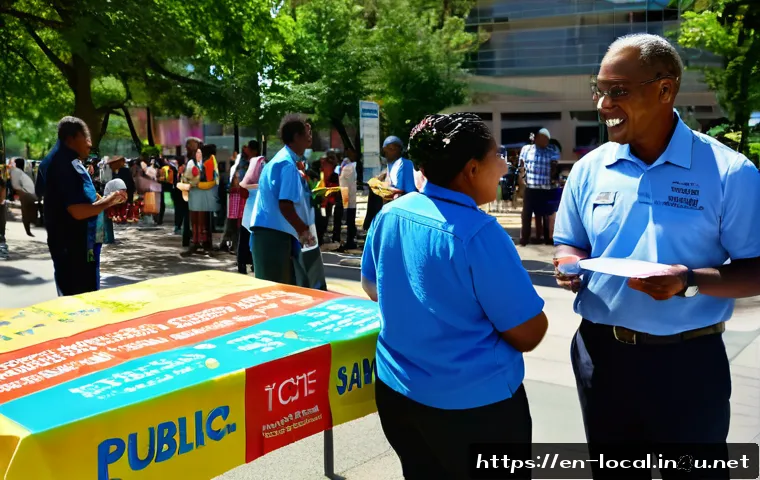
Public service is ultimately about serving people, so building rapport with community members, local organizations, and other stakeholders is vital. Attending local events or volunteering can open doors and deepen your understanding of community needs.
I found that these connections not only improve service delivery but also enhance job satisfaction.
Maintaining Professional Boundaries
While building relationships is important, it’s equally essential to maintain professionalism. Balancing friendliness with clear boundaries preserves respect and trust.
In my early days, I learned that being approachable yet maintaining a professional demeanor helps navigate tricky situations gracefully.
Understanding Ethics and Accountability in Public Service
Recognizing Ethical Responsibilities
Ethics form the backbone of public trust. Familiarizing yourself with codes of conduct and ethical standards ensures your actions align with the public interest.
I recall a training session where real-life case studies helped me grasp the importance of integrity, transparency, and fairness in everyday decisions.
Transparency and Reporting Mechanisms
Being transparent about your work and knowing how to report concerns or misconduct are crucial. These practices not only protect the public but also safeguard your career.
From experience, having clear channels for reporting and whistleblowing promotes a healthy workplace culture and personal peace of mind.
Continuous Reflection and Improvement
Ethics isn’t a one-time lesson but an ongoing practice. Regularly reflecting on your decisions and seeking feedback helps maintain high standards. I make it a habit to review challenging situations with mentors, which keeps me grounded and aligned with ethical expectations.
Key Skills and Knowledge Overview for New Public Servants
| Skill/Knowledge Area | Importance | Practical Tips |
|---|---|---|
| Organizational Culture | High | Attend orientation fully; observe and ask questions about values |
| Administrative Procedures | High | Practice document handling; learn reporting formats early |
| Communication Skills | High | Use clear language; practice active listening; engage respectfully online |
| Problem-Solving | Medium | Analyze situations critically; collaborate with team members |
| Time Management | High | Set priorities; use task management tools; avoid multitasking traps |
| Relationship Building | Medium | Network internally; engage with community; maintain professionalism |
| Ethics and Accountability | High | Understand codes of conduct; practice transparency; seek feedback |
Conclusion
Starting a career in public service is both exciting and challenging. Building a solid foundation through understanding culture, mastering essential skills, and embracing ethical practices sets you up for success. Remember, continuous learning and genuine relationships make your journey rewarding and impactful. Stay curious, stay committed, and your contributions will truly make a difference.
Useful Information to Keep in Mind
1. Take full advantage of orientation programs to immerse yourself in the organization’s values and expectations.
2. Develop a routine for managing administrative tasks early to reduce stress and increase productivity.
3. Practice clear and empathetic communication to foster trust and positive public interactions.
4. Use technology tools not just for efficiency but also to demonstrate initiative and adaptability.
5. Regularly reflect on your experiences and seek feedback to grow both professionally and ethically.
Key Takeaways
Understanding and aligning with your organization’s culture is essential for smooth integration and effective teamwork. Efficient handling of administrative duties and digital tools can streamline your daily responsibilities. Strong communication skills, especially active listening and clarity, enhance public engagement. Prioritizing tasks and collaborating with colleagues improve problem-solving and time management. Finally, upholding ethics and accountability ensures trust and long-term success in public service.
Frequently Asked Questions (FAQ) 📖
Q: What are the most important skills to focus on during initial public service training?
A: When you’re just starting out, prioritizing communication skills, understanding government ethics, and mastering basic administrative procedures can make a huge difference.
From my experience, being able to clearly convey information and actively listen to community concerns builds trust quickly. Also, getting comfortable with transparency policies early on helps you avoid common pitfalls and shows your commitment to accountability.
Q: How can new public service employees effectively build trust with the community?
A: Building trust takes time, but starting with genuine engagement makes all the difference. I found that attending local events, being approachable, and responding promptly to inquiries helps create a positive impression.
It’s also key to follow through on promises and maintain transparency about decision-making processes. When people see you’re consistent and honest, it naturally strengthens their confidence in your role.
Q: What practical tips can help manage daily tasks efficiently in a fast-changing public service environment?
A: Staying organized and adaptable is crucial. Personally, I rely on digital tools to keep track of deadlines and prioritize urgent matters. Breaking down large projects into smaller, manageable steps prevents overwhelm and ensures steady progress.
Also, don’t hesitate to ask for guidance from experienced colleagues — their insights can save you time and help you avoid unnecessary mistakes. Flexibility and a willingness to learn on the fly really smooth out the daily workflow.