As remote work continues to redefine government operations, staying productive outside the traditional office has become more crucial than ever. With new challenges emerging daily—from technology hiccups to maintaining team cohesion—finding effective strategies is no longer optional but essential.

Whether you’re a seasoned remote employee or just transitioning, mastering productivity techniques can transform your workday and boost your impact. In this post, I’ll share practical, proven methods that have helped me and countless others thrive in a remote government role.
Let’s dive into how you can make the most of your time and deliver exceptional results from anywhere.
Creating a Dedicated Workspace That Boosts Focus
Designing Your Environment for Maximum Concentration
Finding a spot in your home that signals “work mode” is a game changer. I’ve realized that simply sitting at the kitchen table doesn’t cut it—distractions like family members or background noise sneak in too easily.
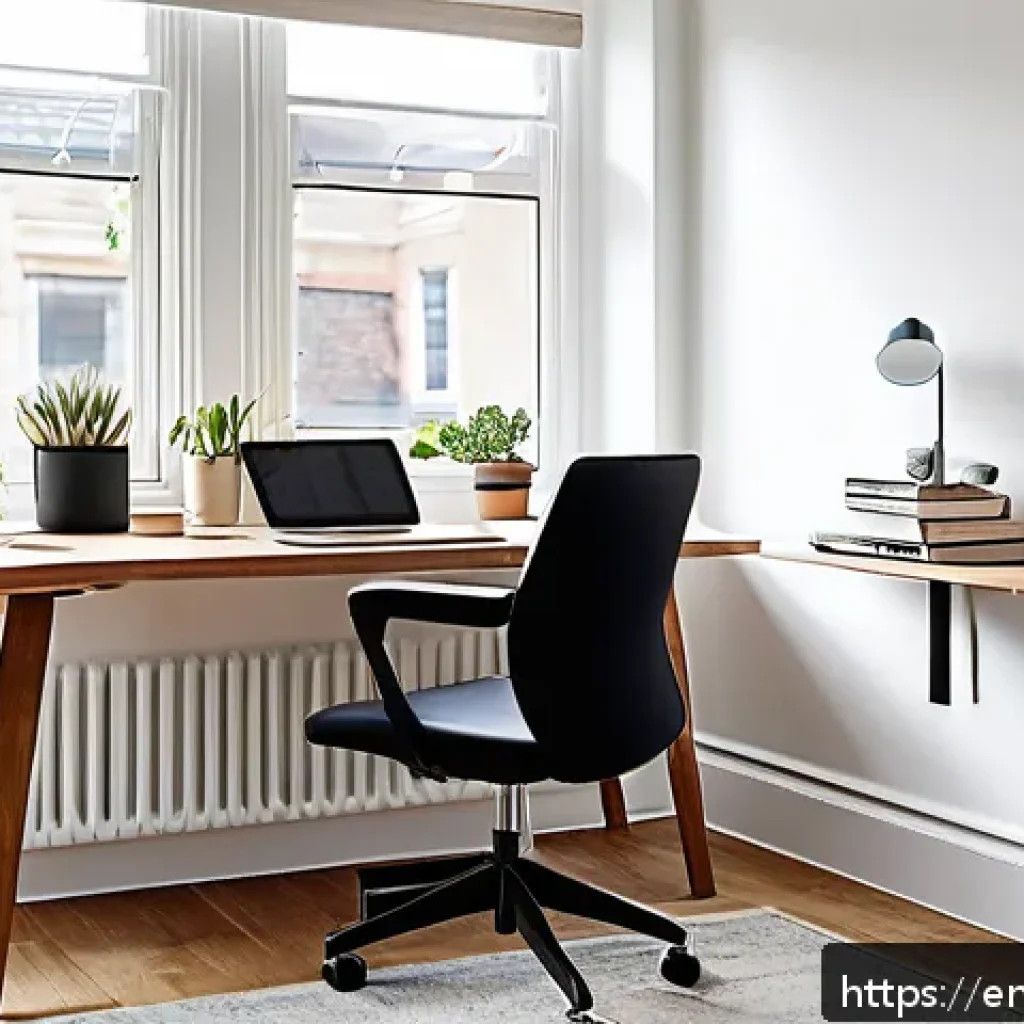
Setting up a dedicated workspace, even if it’s a small corner with a desk and chair, helps shift your mindset. Adding elements like good lighting, ergonomic seating, and minimal clutter can seriously improve your ability to concentrate for longer stretches.
Plus, having a space that’s only for work helps you mentally clock in and out, which is crucial for preventing burnout.
Technology Setup Tailored to Your Needs
Reliable tech is the backbone of remote productivity. From my experience, investing time in a solid Wi-Fi setup and ensuring your computer or laptop runs smoothly saves a lot of frustration down the line.
Don’t overlook peripherals like noise-canceling headphones or a second monitor if your tasks require multitasking. These small upgrades create a smoother workflow, which reduces interruptions and keeps you in the zone.
A quick tip: keep your software updated and have backup plans like mobile hotspots ready for unexpected outages.
Balancing Comfort and Professionalism
While comfort is important, I’ve noticed that too much coziness can blur the lines between work and relaxation. Wearing work-appropriate attire—even if it’s casual—helps me stay mentally aligned with my tasks.
At the same time, ergonomic accessories like wrist rests or adjustable chairs keep physical strain at bay, which is a subtle but significant productivity booster.
Striking this balance makes working from home more sustainable in the long run.
Mastering Time Management Beyond Traditional Hours
Implementing Structured Schedules and Breaks
One lesson I learned the hard way is that flexible hours require self-discipline. Without clear schedules, it’s easy to overwork or procrastinate. I recommend blocking your day into focused work sessions with intentional breaks—think the Pomodoro technique or simply setting alarms to remind you to step away.
This not only enhances concentration but also helps maintain energy throughout the day. Scheduling breaks also gives your brain a chance to recharge, which ultimately leads to higher quality output.
Prioritizing Tasks with Purpose
When your to-do list feels endless, prioritization becomes your best friend. I start each day by identifying 3–5 key tasks that must get done, putting less critical items on a separate list.
This method keeps me from feeling overwhelmed and ensures that my most impactful work is completed early. Using digital tools like task managers or simple checklists helps track progress and avoid missing deadlines, which is vital in government roles where accountability is high.
Setting Boundaries to Protect Your Time
Remote work can easily spill into personal time if you’re not careful. I’ve found that setting clear boundaries—like specific start and end times and communicating availability to colleagues—helps preserve work-life balance.
Turning off work notifications after hours and physically leaving your workspace signals to your brain that it’s time to unwind. This practice not only improves your well-being but also makes you more productive during working hours.
Leveraging Communication Tools for Team Cohesion
Choosing the Right Platforms for Different Needs
Remote government teams often juggle multiple communication channels, which can get overwhelming. From my experience, it’s crucial to match the tool to the message: use instant messaging for quick questions, video calls for detailed discussions, and emails for formal updates.
This reduces miscommunication and keeps everyone on the same page. Having a shared calendar or project management tool further streamlines collaboration and deadlines, which helps avoid confusion.
Maintaining Regular Check-Ins and Social Interaction
Staying connected with your team goes beyond work updates—it’s about nurturing relationships. Scheduling regular check-ins, whether daily stand-ups or weekly team meetings, fosters accountability and helps catch issues early.
I’ve also found that informal virtual hangouts or coffee breaks promote camaraderie and reduce feelings of isolation, which is common in remote settings.
These moments build trust and make collaboration smoother.
Encouraging Clear and Transparent Communication
Ambiguity kills productivity. I make it a point to communicate clearly and encourage others to do the same. When giving instructions or feedback, I strive to be concise but thorough, avoiding assumptions about what others know.
This clarity reduces back-and-forth emails and speeds up decision-making. Also, documenting key points from meetings or conversations ensures everyone has a reference point, which is especially helpful in government projects with complex procedures.
Maintaining Wellness to Sustain Long-Term Productivity
Incorporating Movement and Physical Activity
Sitting for hours is a productivity killer. I’ve started integrating short stretches or walks into my routine, which helps prevent stiffness and boosts mental clarity.
Even five minutes away from the screen can refresh your focus and energy. If possible, I recommend setting a timer to remind yourself to move regularly—it’s a simple habit that makes a big difference in how you feel and perform throughout the day.
Practicing Mindfulness and Stress Management
Remote work can sometimes ramp up stress, especially with looming deadlines or technical glitches. I’ve found mindfulness exercises—like deep breathing or brief meditation—effective for calming my mind during busy days.
Taking a moment to reset helps me approach tasks with a clearer perspective rather than feeling overwhelmed. Building this into your routine can improve decision-making and overall emotional resilience.

Balancing Screen Time with Offline Activities
It’s easy to get glued to screens when all your work and communication happen online. I try to consciously limit after-hours screen exposure and engage in offline hobbies or family time.
This helps recharge my brain and prevents digital fatigue, which is a silent productivity killer. Creating a routine that includes offline moments keeps me energized and ready to tackle the next workday with a fresh mindset.
Optimizing Task Management with Smart Tools
Utilizing Digital Task Organizers
Finding the right digital tool to manage tasks can be a game changer. I personally use apps like Trello or Asana to visually organize projects and deadlines.
These platforms allow me to break down complex assignments into smaller, manageable steps, track progress, and collaborate with colleagues efficiently.
The visual layout helps reduce overwhelm and keeps me motivated by showing tangible progress.
Automating Routine Processes
Automation has saved me countless hours on repetitive tasks like scheduling meetings, sending reminders, or organizing files. Tools like calendar integrations and email filters streamline workflows and free up mental bandwidth for more critical work.
Even simple automations, such as templates for common emails or reports, can boost consistency and speed up daily routines.
Tracking Performance Metrics for Continuous Improvement
To stay on top of my productivity, I regularly review my output against goals or deadlines. This practice helps me identify bottlenecks or areas where I can improve.
For example, if a project took longer than expected, I analyze what caused delays and adjust my approach next time. Keeping an honest record of your work habits fosters growth and demonstrates accountability, which is crucial in public sector roles.
Table: Comparing Popular Remote Work Tools and Their Benefits
| Tool | Main Feature | Best Use Case | Personal Benefit |
|---|---|---|---|
| Zoom | High-quality video conferencing | Team meetings and client calls | Clear communication and face-to-face interaction |
| Slack | Instant messaging and channels | Quick team communication and collaboration | Reduces email overload, speeds up responses |
| Trello | Visual task management boards | Project tracking and task organization | Improves project transparency and progress tracking |
| Asana | Comprehensive project management | Managing deadlines and team workflows | Helps prioritize and automate tasks efficiently |
| Google Workspace | Cloud-based document collaboration | Shared document editing and storage | Enables real-time collaboration and easy access |
Building Habits That Support Remote Work Success
Starting Your Day with Intent
A morning routine that sets a clear intention can transform your day. I make it a habit to review my goals and prioritize tasks over a cup of coffee before diving into work.
This quiet preparation time helps me focus and feel in control, rather than reactive. Even simple rituals like journaling or stretching can mentally prepare you for a productive day.
Ending Your Day by Reflecting and Planning Ahead
Before shutting down my computer, I take 10 minutes to reflect on what I accomplished and plan for tomorrow. This habit helps me close the day with a sense of achievement and reduces anxiety about unfinished work.
Writing down priorities for the next day means I can start fresh without scrambling to remember details, which sets a positive tone for the morning.
Adapting and Learning Continuously
Remote work environments and tools evolve quickly, so staying flexible is key. I actively seek feedback from colleagues and remain open to new methods or technologies that can improve my workflow.
This mindset not only keeps me efficient but also demonstrates adaptability—a valued trait in government roles where change is constant. Continuous learning makes remote work less daunting and more rewarding.
Conclusion
Creating a productive remote work environment is more than just setting up a desk—it’s about crafting routines, managing time wisely, and fostering strong communication. Through intentional habits and the right tools, you can boost focus and maintain balance even outside a traditional office. Remember, adapting these strategies to your personal needs is key to long-term success and well-being.
Helpful Information to Keep in Mind
1. Designate a workspace that signals “work mode” to improve focus and reduce distractions.
2. Invest in reliable technology and accessories like noise-canceling headphones to streamline your workflow.
3. Use structured schedules and prioritize tasks daily to prevent overwhelm and increase productivity.
4. Maintain clear communication with your team by choosing appropriate platforms and scheduling regular check-ins.
5. Incorporate wellness habits such as movement breaks and mindfulness to sustain energy and reduce stress.
Key Takeaways
Building a dedicated workspace, managing your time with discipline, and leveraging the right communication tools are essential for remote work success. Equally important is maintaining your physical and mental well-being through regular activity and stress management. Lastly, continuously adapting your habits and technologies ensures you stay efficient and resilient in a dynamic work environment.
Frequently Asked Questions (FAQ) 📖
Q: uestionsQ1: How can I overcome common technology issues while working remotely in a government role?
A: Technology glitches can be frustrating, but I’ve found that being proactive is key. First, ensure your hardware and software are up to date and compatible with government systems.
Establish a reliable internet connection—sometimes investing in a backup hotspot makes a huge difference. Also, don’t hesitate to reach out to your IT support team early when issues arise; many agencies have dedicated remote work support.
Lastly, familiarize yourself with troubleshooting basics so you can quickly resolve minor hiccups without losing momentum.
Q: What strategies help maintain team cohesion when working remotely in a government environment?
A: Staying connected beyond just task updates is crucial. From my experience, scheduling regular video check-ins helps maintain that human element. Try to incorporate informal chats or virtual coffee breaks to build rapport.
Using collaborative tools like shared documents and messaging platforms keeps everyone in the loop and fosters transparency. Encouraging open communication and recognizing team members’ efforts publicly also boosts morale and strengthens bonds even when you’re miles apart.
Q: How do I stay productive and avoid distractions while working from home in a government position?
A: Creating a dedicated workspace that signals “work mode” to your brain is a game changer. I personally set strict work hours and use timers to chunk my day into focused periods with short breaks.
Minimizing distractions means turning off non-essential notifications and setting boundaries with household members during work time. Also, planning your day the night before helps hit the ground running.
Remember, productivity isn’t about working nonstop but working smart and maintaining balance.