Preparing for a government job interview involves more than just knowing the right answers—it’s about presenting yourself with confidence and professionalism.
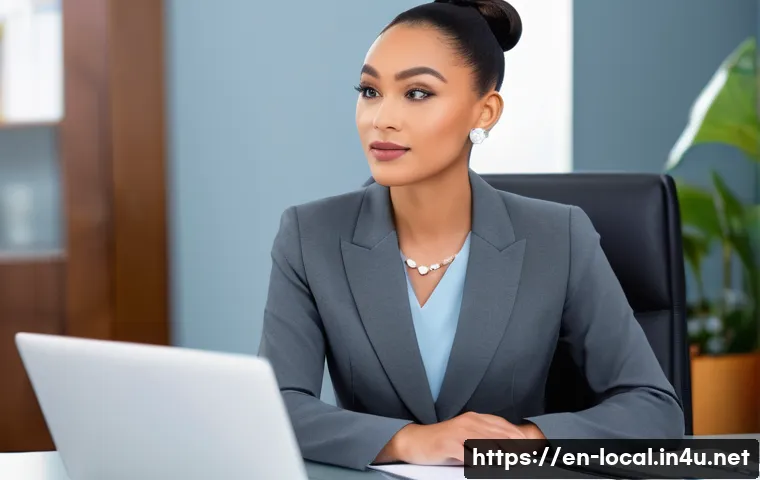
Your outfit and demeanor play a crucial role in making a strong first impression. Understanding the appropriate dress code and mastering interview etiquette can set you apart from other candidates.
Whether it’s your choice of clothing or your communication style, every detail counts. Let’s dive into how you can optimize your appearance and manners to boost your chances of success.
I’ll guide you through the essentials so you’re fully prepared!
Choosing the Right Outfit for a Professional Impression
Understanding the Formality Level
It’s essential to recognize the dress code expectations for government job interviews, which generally lean towards conservative and formal attire. For men, this often means a tailored suit in neutral colors like navy, black, or gray, paired with a crisp white or light-colored shirt and a subtle tie.
Women typically opt for a pantsuit, skirt suit, or a professional dress that falls at or below the knee, accompanied by a blazer. The key here is to avoid anything too flashy or casual—think polished and neat, not trendy or overly expressive.
From my experience attending various formal interviews, sticking to classic pieces not only boosts confidence but also shows respect for the process and the institution.
Details That Make a Difference
Beyond the main outfit, small details like well-polished shoes, minimal jewelry, and a tidy hairstyle can elevate your overall appearance. I remember a friend who wore a perfectly fitting suit but showed up with scuffed shoes and unkempt hair, which subtly distracted the interviewers.
These elements matter more than you might think because they subconsciously signal your attention to detail and professionalism. Also, keep accessories understated—avoid loud patterns, large earrings, or overpowering perfumes.
Your goal is to be memorable for your qualifications and demeanor, not your outfit.
Comfort and Confidence Combined
Wearing something comfortable yet professional is a balancing act but crucial. I’ve found that when I’m physically comfortable, my confidence naturally shines through, making my answers more fluid and my body language more relaxed.
Try your outfit on a few days before the interview to ensure it fits well and allows easy movement. Avoid new shoes or anything that might cause discomfort or distraction.
Remember, the interview is already nerve-wracking enough without worrying about your clothes!
Mastering Verbal Communication and Body Language
Speaking Clearly and Thoughtfully
Clear communication is a cornerstone of any successful interview. It’s not just what you say but how you say it. Speaking too fast often betrays nervousness, while speaking too slowly can appear hesitant.
Practice pacing your speech so that each word is understood, and don’t rush through your answers. Using concise sentences with relevant examples from your experience can make your responses more impactful.
I usually rehearse with a friend or record myself, which helps me identify filler words or awkward phrasing that I can improve.
Nonverbal Cues Speak Volumes
Your body language often conveys more than your words. Maintaining good eye contact projects confidence and honesty, while slouching or fidgeting can suggest discomfort or lack of interest.
A firm handshake at the start and end of the interview leaves a positive impression. Also, be mindful of your posture—sit upright but relaxed. I once attended an interview where the candidate avoided eye contact entirely, which made the panel doubt their sincerity despite strong answers.
Simple gestures like nodding to show you’re engaged or smiling appropriately can also build rapport with the interviewers.
Listening as Part of Communication
Effective communication isn’t one-sided. Active listening shows respect and attentiveness, qualities highly valued in government roles. Don’t interrupt the interviewer; instead, wait for them to finish before responding.
If a question isn’t clear, it’s perfectly fine to ask for clarification rather than guessing. This approach not only ensures you answer correctly but also demonstrates your analytical thinking and willingness to engage thoughtfully.
I’ve noticed that interviewers appreciate candidates who listen well—it often leads to more natural and relevant discussions.
Handling Interview Etiquette with Poise
Arriving Prepared and On Time
Punctuality is non-negotiable. Arriving at least 10-15 minutes early gives you a buffer to settle in and mentally prepare. It also shows respect for the interviewers’ time.
I always scout the location beforehand or check commute times to avoid last-minute stress. Bringing necessary documents organized in a neat folder reflects professionalism and preparedness.
A small notebook and pen can be handy for jotting down important points or questions during the interview.
Polite and Professional Interaction
From greeting the receptionist to saying goodbye to the panel, every interaction counts. Use polite language and a friendly tone throughout. Avoid slang or overly casual expressions, but don’t sound robotic either—aim for natural and courteous.
During the interview, if you disagree with a point or question, express your thoughts respectfully without sounding defensive. I’ve found that maintaining a calm and positive attitude, even when challenged, leaves a lasting good impression.
Following Up with Gratitude
After the interview, sending a brief thank-you email to your interviewers can reinforce your enthusiasm and professionalism. Keep it concise—thank them for their time, reiterate your interest, and highlight one or two key points you discussed.
This simple gesture often sets candidates apart in competitive selection processes. Personally, I’ve received positive feedback when I followed up, as it shows genuine appreciation and commitment.
Understanding Appropriate Grooming and Accessories
Maintaining a Clean and Neat Appearance
Proper grooming is fundamental to making a favorable impression. Clean, well-trimmed nails, subtle makeup (if applicable), and fresh breath are small but impactful details.
I recall one interview where a candidate’s disheveled appearance distracted from their strong answers, which was unfortunate. Pay attention to personal hygiene and avoid anything that might be a distraction or cause discomfort to others in a close setting.
Choosing Functional and Subtle Accessories
Accessories should complement your outfit without stealing focus. A classic wristwatch, simple earrings, or a modest necklace can add polish without overwhelming your look.
Avoid large handbags or backpacks; instead, opt for a slim briefcase or portfolio to carry your essentials. I’ve seen candidates lose points by appearing cluttered or disorganized because of bulky bags or noisy jewelry, which can interrupt the flow of the interview.
Hairstyles and Facial Hair Considerations
Hairstyles should look tidy and professional. For men, a clean shave or neatly trimmed facial hair is generally preferred unless it’s well-groomed and suits the professional environment.
Women should avoid overly elaborate hairstyles or bright hair colors that might distract interviewers. The goal is to appear polished and approachable, signaling that you take the opportunity seriously.
When I prepared for my interviews, I always chose styles that felt natural but well-maintained, which helped me feel confident.
Preparing for the Unexpected: How to Stay Calm and Adapt
Managing Nervousness Effectively
Feeling nervous before an important interview is normal, but managing it can be a game-changer. Deep breathing exercises, positive self-talk, and visualization techniques helped me stay grounded.
Remember that interviewers expect some nerves and often appreciate authenticity. Instead of trying to be perfect, focus on showing your genuine interest and abilities.
A calm demeanor not only helps you think clearly but also makes a stronger impression.
Adapting to Different Interview Formats
Government job interviews can take various forms—panel interviews, one-on-one, or even virtual formats. Each requires slight adjustments in how you present yourself.
For virtual interviews, make sure your background is clean and professional, your camera is at eye level, and your internet connection is stable. For panels, address each member respectfully and engage all interviewers equally.
I once had a panel interview where I made the mistake of only focusing on the main questioner, which slightly hurt my rapport with others.
Handling Difficult or Unexpected Questions
Sometimes, interviewers throw curveballs to assess your problem-solving and composure. It’s okay to take a moment to think before answering. If you don’t know an answer, be honest but show willingness to learn.
Drawing on similar experiences or explaining your thought process can demonstrate your critical thinking skills. In my experience, interviewers respect transparency and a positive attitude more than perfect answers.
Summary of Key Appearance and Etiquette Tips
| Aspect | Recommended Practice | Common Mistakes to Avoid |
|---|---|---|
| Attire | Neutral-colored suit, polished shoes, minimal accessories | Flashy clothing, casual wear, scuffed shoes |
| Grooming | Clean nails, tidy hair, subtle makeup | Disheveled hair, strong perfume, untrimmed facial hair |
| Communication | Clear speech, active listening, positive body language | Speaking too fast/slow, avoiding eye contact, interrupting |
| Etiquette | Arrive early, polite greetings, thank-you follow-up | Lateness, casual language, no follow-up message |
| Preparation | Practice answers, know the location, prepare documents | Unprepared answers, last-minute rush, missing paperwork |
Conclusion
Making a professional impression goes beyond just wearing the right outfit. It’s about the thoughtful combination of attire, grooming, communication, and etiquette that together convey confidence and respect. From my experience, preparation and attention to detail truly set candidates apart. Remember, the goal is to present your best self authentically and comfortably to leave a lasting positive impact.
Useful Tips to Remember
1. Always dress conservatively and choose neutral colors to project professionalism and respect for the interview setting.
2. Pay close attention to small details like polished shoes, neat hairstyles, and minimal accessories to reinforce your attention to detail.
3. Practice clear and thoughtful communication, balancing your speech pace and actively listening to create meaningful dialogue.
4. Arrive early and be polite to everyone you meet, from the receptionist to the interview panel, to show your professionalism.
5. Follow up with a concise thank-you message to express gratitude and reinforce your enthusiasm for the role.
Key Takeaways for a Successful Interview
Ensuring your appearance is tidy and appropriate, coupled with confident yet genuine communication, forms the foundation of a strong interview presence. Preparation is essential—not just for your answers but for logistics like arrival time and document organization. Maintaining a calm and adaptable mindset allows you to handle unexpected questions gracefully. Ultimately, professionalism is reflected in the harmony of your attire, demeanor, and respectful interactions, all of which contribute to making a memorable and positive impression.
Frequently Asked Questions (FAQ) 📖
Q: What is the best dress code for a government job interview?
A: For a government job interview, it’s safest to stick with business professional attire. Think a well-fitted suit in neutral colors like navy, black, or gray.
For men, a crisp dress shirt with a conservative tie and polished dress shoes work best. Women should opt for a tailored blazer and dress pants or a modest skirt, paired with closed-toe shoes.
Avoid flashy accessories or overly casual clothing—your goal is to appear polished and respectful of the formal setting. Dressing this way not only shows professionalism but also helps boost your confidence during the interview.
Q: How important is body language and demeanor during a government job interview?
A: Body language and demeanor can make or break your interview impression. Sitting up straight, maintaining good eye contact, and offering a firm handshake show confidence and respect.
Smiling naturally can help you appear approachable and engaged, but don’t overdo it—balance is key. Avoid fidgeting, crossing your arms, or looking distracted, as these can suggest nervousness or disinterest.
Interviewers in government roles often look for candidates who demonstrate composure and professionalism, so practicing calm and positive body language beforehand really pays off.
Q: What are some interview etiquette tips specific to government job interviews?
A: Government interviews tend to be more formal, so punctuality is critical—arrive at least 10-15 minutes early. Bring multiple copies of your resume and any required documents neatly organized in a professional folder.
Address interviewers formally unless invited to do otherwise, using titles like “Mr.” or “Ms.” followed by their last name. Listen carefully, answer questions clearly and concisely, and avoid interrupting.
It’s also smart to prepare thoughtful questions about the role and agency, showing genuine interest. These small details demonstrate your respect for the process and can set you apart from other candidates.